
Complete Orthodontic Course From Beginner to Advanced
Description :
This complete orthodontic course explains in detail the fundamental principles of the discipline gathered in approximately 80 hours of lectures, video demonstrations, and clinical case presentations. By the end of the course, you will feel confident in planning and performing orthodontic treatment, starting from clinical examination and treatment planning, choosing the correct orthodontic appliance according to the case, and performing treatment with either fixed or removable appliances.
This detailed course will give you all the information to perform from simple to most complex treatment scheme including treatment with the help of temporary anchorage devices and combined surgical and orthodontic treatment of impacted teeth. You can see the full content of the course below.
Who is this course for?
- General dentists
- Post-graduate students
- Dental students interested in becoming an orthodontic specialists
Course Content:
1. Introduction to orthodontics. Definitions and divisions
-
1. Introduction. Andrews six keys of normal occlusion. Positions of the mandible.
-
2. Classification of malocclusion. Benefits and risks of orthodontic treatment.
2. Growth and development of the craniofacial region
-
Growth and development of the craniofacial region
3. Development of the dentition
-
Development of the dentition
4. The orthodontic patient examination
-
1. Medical and Dental history. Extraoral examination. Dental photography
-
2. Dental cast analysis. Analysis in the three planes of space
-
3. Cephalometric analysis. Steiner’s analysis. Wits appraisal. Tweed’s analysis
5.Treatment Planning
-
1. Aims of treatment. Facial aims. Occlusal aims
-
2. Space creation. Extraction.Transverse arch expansion. Reduction of tooth width
-
3. Step by step treatment plan. Planning treatment for moderate problems
-
4. Planning complex orthodontic treatment
-
5. Limiting factors of orthodontic treatment. Envelop of discrepancy
-
6. Timing of treatment depending on the malocclusion
6. Orthodontic tooth movement and biomechanics
-
1. Orthodontic tooth movement
-
2. Biomechanics of tooth movement. Introduction. Laws of Newton. Definitions
-
3. Types of dental movements
-
4. Deep bite correction. Correction of bilateral posterior open bite. Use of V bend
7. Contemporary removable appliance
-
1. Clinical use and treatment with removable appliances
-
2. Functional appliances-characteristics. Removable appliances. Clear aligner therapy
8. Functional appliances
-
1. Functional appliances- history, effects, advantages and limitations, indications
-
2. Appliances
-
3. Andersen activator
-
4. Bionator
-
5. Frankel appliance
-
6. Twin Block. Fixed functional appliances
9. Extraoral appliances
-
Extraoral appliances
-
1. Classification of anchorage. Indications for anchorage.
-
2. Types of anchorage. Minimal Anchorage.
-
3. Moderate Anchorage
-
4. Maximum or Severe Anchorage. Absolut Anchorage.
10. Contemporary fixed appliances
-
1. Advantages, limitations and components of the fixed appliances. Metal brackets
-
2. Plastic Brackets. Ceramic Brackets. First, second, third order bends
-
3. Parts of the bracket. Modification of slot dimension
-
4. Ligation of the brackets. Auxiliary features. Archwires. Fixed expansion arches
11. Decision on bracket type and system
-
1. Evolution of treatment mechanics and contemporary appliance design
-
2. Roth Prescription
-
3. McLaughlin Bennett Trevisi (MBT) prescription
-
4. Alexander orthodontic philosophy
-
5. Damon system
12. Bonding in orthodontics
-
1. Bonding Procedure. Tips on placing brackets in different cases
-
2. Treatment stages- Leveling and Aligning; Working Stage; Finishing Stage
13. Anchorage
-
1. Classification of anchorage. Indications for anchorage.
-
2. Types of anchorage. Minimal Anchorage.
-
3. Moderate Anchorage
-
4. Maximum or Severe Anchorage. Absolut Anchorage.
14. Management of the developing dentition
-
1. Space management in the transitional dentition. Planning for Space Management
-
2. Treatment Options for Space Management. Space maintenance
-
3. Space regaining. Fixed unilateral and bilateral regainers
-
4. Space creation. Space closure. Space supervision
15. Management of incisor crowding
-
1. Classification of incisor crowding-Treatment of minor and moderate crowding
-
2. Treatment of severe crowding-Serial extraction
16. Management of oral habits
-
1. Non-Nutritive Sucking. Thumb or Finger Sucking Treatment
-
2. Pacifier Habits-Tongue Thrust. Lip sucking or lip interposition habit
-
3. Mouth Breathing-Speech problems. Bruxism. Nail biting habit
17. Orthodontic management of hypodontia
-
1. Orthodontic management of hypodontia. Definitions. Etiology. Effects of hypodontia
-
2. Management of Missing Lateral Incisors
-
3. Management of Missing Mandibular Second Premolars
18. Orthodontic management of supernumerary teeth
-
Orthodontic management of supernumerary teeth
19. Diagnosis and management of abnormal frenulum attachments – NO CONTENT
-
Diagnosis and management of abnormal frenulum attachments
20. Early detection and treatment of eruption problems
-
1. Phases of Tooth Eruption. Mechanisms of Eruptive Tooth Movement.
-
2. Transposition. Impaction
-
3. Ankylosis – Incidence, Etiology, Diagnosis, Treatment
21. Orthodontic treatment of dentoskeletal problems
-
1. Strategies of early treatment. Class II malocclusion.
-
2. Anterior Dental Crossbite and Class III Malocclusion
22. Management of transverse problems
-
Management of transverse problems
23. Management of vertical problems
-
23. Management of vertical problems
-
2. Deep bite
24. Orthodontic treatment in the early permanent dentition
-
1. Space Gaining Procedures Extraction-Interproximal Enamel Reduction
-
2. Treatment of Class I Malocclusions
25. Development of a vertical problem
-
1. Development of a vertical problem-Diagnosis of vertical discrepancies
-
2. Deep bite
-
3. Open bite
26. Transverce descripancies
-
1. Development of crossbite. Types of posterior crossbites. Disjunction
-
2. Treatment for posterior crossbite
27. Treatment of sagittal descripancies
-
1. Treatment of sagittal discrepancies Class II malocclusion-Treatment planning
-
2. Maxillary distalization-Functional and Skeletal Class II
-
3. Extraction treatment-Skeletal Class II
-
4. Class III malocclusion
28. Adult Orthodontics
-
1. Potential Adult Orthodontic Patients. Diagnosis- Problem list
-
1. Potential Adult Orthodontic Patients. Diagnosis- Problem list
-
1. Potential Adult Orthodontic Patients. Diagnosis- Problem list
-
4. Orthodontic Treatment of Periodontally Involved Anterior Teeth
-
5. Interdisciplinary Collaboration Between Orthodontics and Periodontics
29. Finishing the orthodontic case
-
1. Finishing the orthodontic case
-
2. Debonding
30. Combined Orthodontic and Prosthetic treatment
-
Combined Orthodontic and Prosthetic treatment
31. Minor Tooth Movement
-
Minor Tooth Movement
32. Cleft Lip and Palate
-
1. Definitions. Prenatal development of lip and palate. Classification. Etiology
-
2. Treatment
33. Summary of Treatment Planning for Different Malocclusions
-
1. Management of Intra-Arch Problems
-
2. Management of Transverse Malocclusion
-
3. Management of Vertical Malocclusions. Deep Bite. Open Bite
-
4. Management of Sagittal Malocclusions
-
5. Class II Division 2 Malocclusion
-
6. Class III Malocclusion. Pseudo-Class III Malocclusion-Bimaxillary Protrusion
34. Patients with Temporomandibular Disorders
-
1. Patient Examination. Classification of TMD. Joint disorders. Inflammatory condition
-
2. Masticatory muscle disorders. Intracranial and vascular pain disorders
-
3. Connection between malocclusion and TMD. Costen syndrome-Treatment
35. Orthodontic treatment of impacted teeth
-
1. Orthodontic treatment of impacted teeth. Diagnosis of impacted teeth
-
2. Orthodontic and radiographic assessment of impacted teeth. Preventive Treatment
-
3. Impacted Maxillary Canines. Diagnosis. Assessment. Interceptive treatment
-
3. Impacted Maxillary Canines. Diagnosis. Assessment. Interceptive treatment
-
5. Stages of Orthodontic Treatment
-
6. Labially impacted maxillary canines. Interceptive Treatment.Surgical uncovering
-
7. Palatally impacted canines. Surgical uncovering techniques. Impacted Canines
-
8. Impacted maxillary central incisors. Impacted premolars and mandibular molars
36. Orthodontic Mini implants
-
1. Skeletal anchorage. Stability. Specifications. Orthodontic loading
-
2. Insertion sites
-
3. Surgical procedures
-
4. Anterior–posterior treatment. Anterior retraction
-
5. Posterior distalization
-
6. Molar protraction
-
7. Vertical control. Anterior intrusion
-
8. Anterior extrusion
-
9. Maxillary transverse expansion
-
10. Posterior molar intrusion
-
11. Unilateral intrusion-Transverse correction of ectopic teeth
37. Self ligation in orthodontics
-
1. Evolution of Ligation and Appliances
-
2. The self ligating bracket-Active and passive systems
-
3. Properties of an Ideal Ligation System-Friction and Self ligation
-
4. Torque expression of self-ligating brackets.Treatment with self ligating bracket
-
5. Ligation of Archwires. Retention. Cost and Treatment Efficiency
38. Pain lesions and Emergencies during Orthodontic Treatment
-
1. Pain in orthodontics
-
2. Lesions and urgencies during orthodontic treatment
39. Clear Aligner Treatment
-
2. Attachments
-
3. Advantages and disadvantages of aligner treatment. Steps in aligner treatment
-
4. Treatment options-Resolving of crowding
-
5. Treatment of open bite, deep bite, crossbite. Space Closure. Class II Correction
-
40. Introduction. Tooth movement biomechanics. Biomechanics with aligners
40. Lingual Orthodontics
-
1. Advantages and Disadvantages of Lingual Therapy
-
2. Bracket positioning. Laboratory Procedures. Indirect Bonding procedure
-
3. Archwire sequence. Instruments used in lingual orthodontics. Anchorage Control
-
4. Use of Quad Helix, Coil Springs and Elastics. Partial Canine Retraction
-
5. Correction of deep and open bite. Distalization Treatment. Finishing the case
41. Retention in orthodontics
-
1. Retention. Timing of Retention
-
2. Removable retainers. Fixed retainers
42. Sleep Apnea
-
1. Signs and symptoms- Physical examination of the patient-OSA in children
-
2. OSA in adults. Management. Questionnaire and treatment planning for OSA patient
43. Treatment of dilacerated teeth
-
1. Dilacerated teeth
-
2. Ankylosed teeth
-
3. Tooth transposition
44. Treatment of patients with asymmetry
-
1. Introduction. Classification of asymmetry. Etiology and diagnosis-Treatment
-
2. Correction of Unilateral Molar Rotation. Treatments
45. Minor Surgical Procedures
-
1. Minor Surgical Procedures
-
2. Orthognathic surgery. Diagnosis and treatment planning
-
3. Surgical procedures. Mandibular Surgery. Maxillary Surgery. Dentoalveolar Surgery
-
4. Timing of Surgery. Presurgical objectives. Postsurgical and retention objectives
Lecturer :

Dr. Ivelina Koycheva
Dr. Ivelina Koycheva is a renowned international lecturer and trains dentists from all over the world in orthodontics. She is the author of over 40 online orthodontic courses, which are attended by dentists from Germany, England, Italy, France, USA, Ireland, Mexico, Bahrain, South Africa, Kenya, Taiwan, the Netherlands, Thailand, Turkey, Portugal, Egypt and many other countries.Dr. Ivelina Koycheva is the inventor of an innovative method of applying stabilization arches during orthodontic treatment that significantly optimizes treatment time.
FAQ :
1.How do I access my course after purchase ?
As soon as your payment is completed, you'll receive immediate access to your course. Simply log in to your account, head to the Membership Area, and start learning right away. You’ll also receive a receipt and enrollment confirmation via email, ensuring you have everything you need to get started. Your course materials will be available instantly, allowing you to learn at your own pace from any device.
2. Can I download the course materials?
Absolutely! We provide download links for many of our course materials, allowing you to watch and review them offline at your convenience. This includes videos, resources, and supporting documents, so you can continue your learning even without an internet connection.
3. Is there a time limit to complete the courses?
No, all of our courses are self-paced, giving you the flexibility to start, pause, and resume at any time. You will have lifetime access to the course materials, so there’s no pressure to complete them within a certain timeframe.
4. What payment methods are accepted?
We accept all major credit cards, including Visa, MasterCard, and American Express. You can also use PayPal for secure and flexible payments.
5. Do you provide certificates upon course completion?
Yes, we do! After successfully completing your course, you will receive a certificate of completion. This certificate can be downloaded immediately and serves as recognition of your learning achievements.
8.Why are your prices cheaper ?
At DentalEdx, we believe in making high-quality dental education accessible to all professionals. Our pricing reflects our commitment to providing exceptional value without compromising on course quality. By leveraging technology and streamlining our operations, we can offer competitive pricing while still featuring industry-leading instructors and comprehensive course materials. Our goal is to empower dental professionals to enhance their skills and knowledge affordably.
6. Can I access my courses from a mobile or tablet?
Yes! Our platform is fully optimized for mobile and tablet use, allowing you to access your courses on-the-go. Whether you're using a smartphone, tablet, or desktop, you can seamlessly continue your learning from any device at any time.
7. Am I going to receive an invoice for my purchase?
9.What if I'm not satisfied with the course?
If you’re not satisfied with your course, we offer a course replacement or a full refund. Simply contact our support team within 15 days of purchase, and they will assist you in finding a suitable alternative or processing your refund. Your satisfaction is our priority!
10.How do I contact support?
You can reach our support team via email at [email protected]. We’re here to assist you with any questions or concerns you may have!
11.Are there subtitles for the courses, and in what languages?
Yes! All our courses come with subtitles available in multiple languages. This ensures that you can follow along comfortably, regardless of your preferred language.
12.How do I reset my password?
If you need to reset your password, simply click on the "Forgot Password?" link on the login page. Follow the instructions to receive an email with a link to create a new password. If you encounter any issues or still can't reset your password, please contact our support team at [email protected] for assistance.
Doctors also searched for :
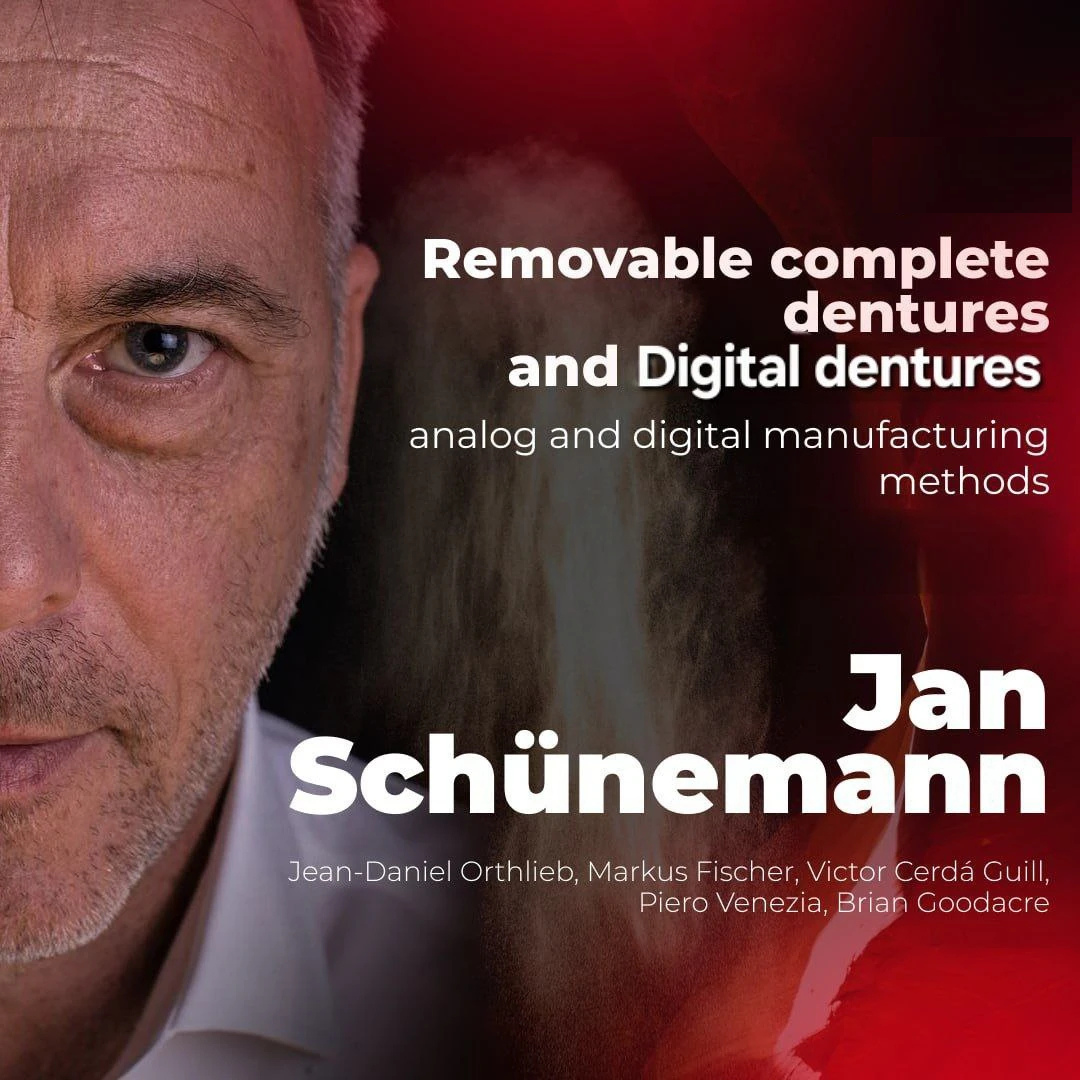
Removable complete dentures and overdentures: analog and digital manufacturing methods
- 0 Lessons
- 0 Students
Contact point effective posterior teeth direct restoration technique
- 0 Lessons
- 0 Students
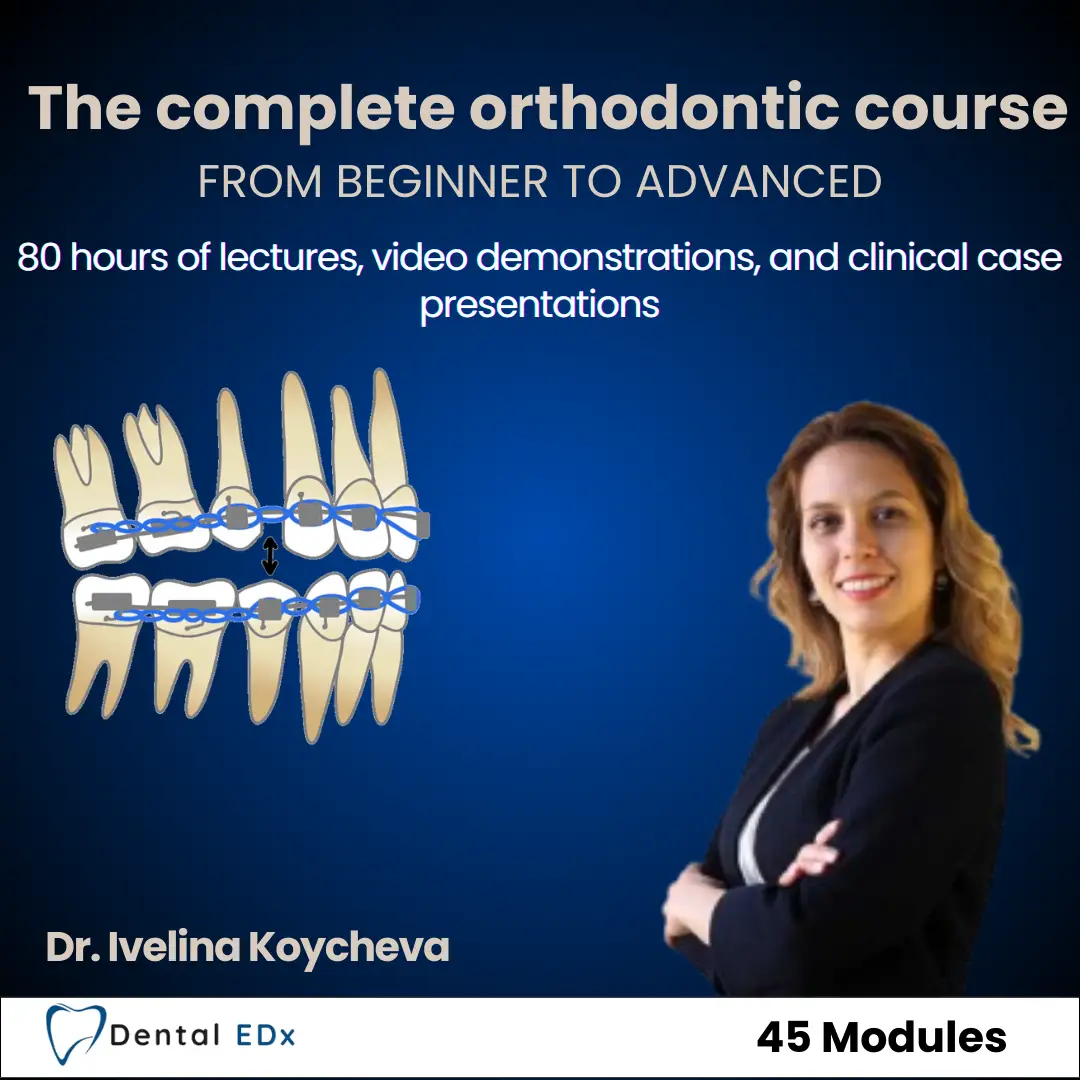
Complete Orthodontic Course From Beginner to Advanced
$199 $1150
- Quality Full HD video
- Length: 80 Hours
- Number of videos: 45 Modules 17 Case reports
- Language: English
- Subtitles: Available in All languages
- Subscription Terms: Lifetime Access
Doctors also searched for :
Removable complete dentures and overdentures: analog and digital manufacturing methods
- 0 Lessons
- 0 Students
Contact point effective posterior teeth direct restoration technique
- 0 Lessons
- 0 Students