
Educational scope. This article supports professional learning and case discussion. It is not patient-specific advice, a clinical protocol or a substitute for supervised training.
The best course for a learner is not necessarily the longest or most advanced. Start with the decision you want to understand better, then check whether the curriculum, prerequisites and teaching format address that need.
CLINICAL TAKEAWAY
What matters most
- Match the curriculum to one goal.
- Identify supervision needs.
- Verify any CE claim independently.
EVIDENCE LENS
The implant consensus literature provides a framework for comparing treatment topics; course completion alone does not demonstrate clinical competence.
Choose a defined learning objective
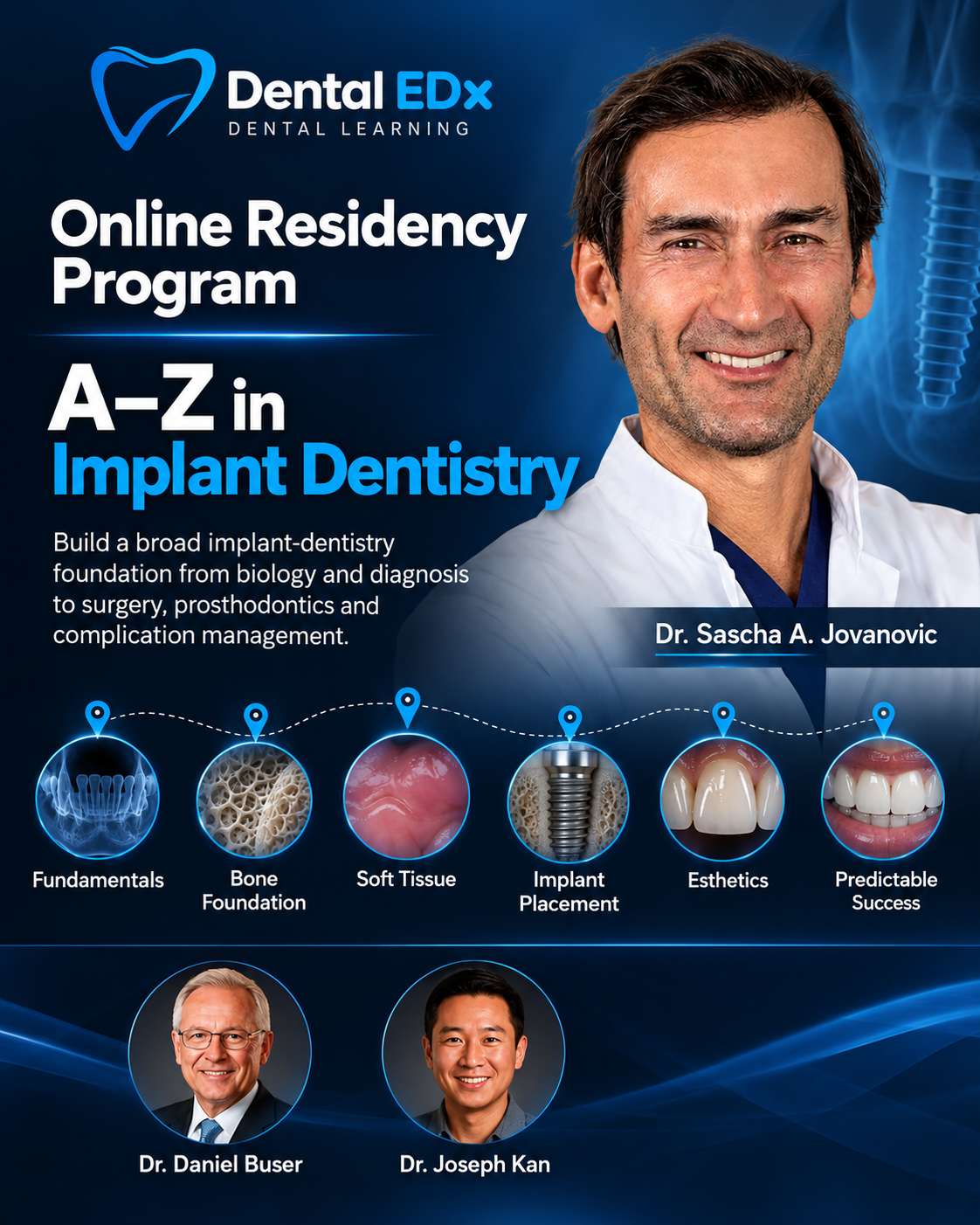
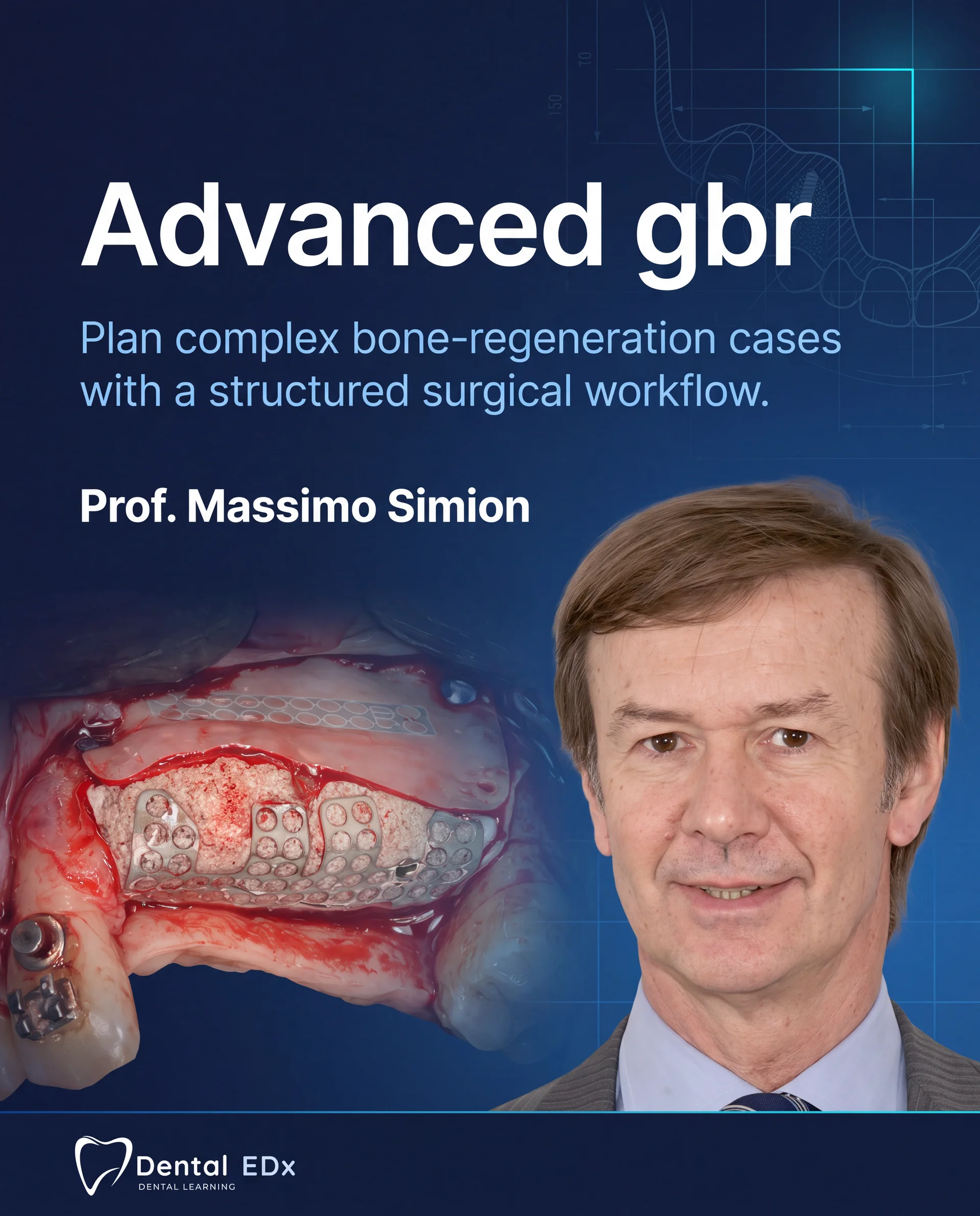
A foundational learner may need diagnosis and treatment sequencing. Someone with established implant experience may need focused study of GBR or full-arch restoration. Write the objective in one sentence and use it to compare lesson lists rather than comparing course titles alone.
Examine the teaching, not only the promise
Look for explained cases, alternatives, complications and follow-up. Check whether the course is recorded or includes feedback, and whether additional clinical mentoring is needed. Access to a video library should not be confused with supervised assessment of a practical skill.
Check the credential claim separately
For U.S. professional requirements, confirm any claimed CE eligibility with the relevant provider and licensing authority. A completion certificate does not automatically establish credit acceptance. Also check access terms and included materials before purchase so that the learning plan fits your working schedule.
Match format to the capability you are developing
Recorded lectures can strengthen conceptual knowledge and case recognition. Hands-on skill, judgment under uncertainty and complication management may require simulation, mentoring and supervised clinical assessment. A learning plan should name these different needs.
Audit the curriculum before the marketing promise
Compare lesson titles, instructor expertise, case depth, update date, access terms and evidence references. Confirm any continuing-education claim independently and choose the course that closes a defined knowledge gap rather than the one with the broadest title.
Turn the topic into a structured team review
Choose one de-identified case that raises the question of online dental implant courses. Review it in stages rather than jumping to the final image: define the patient-centered objective, list the available records, identify who made each decision and mark every assumption or missing item. Then compare the sequence with the cited evidence and the applicable manufacturer or professional guidance. The objective is to understand why this pathway was selected, not to reproduce a technique from an article.
Repeat the review after delivery or follow-up and ask what the team would change. Use these checkpoints: Match the curriculum to one goal. Identify supervision needs. Verify any CE claim independently. Record disagreements between the clinical, technical and maintenance perspectives instead of forcing an immediate consensus. A short, documented calibration exercise makes the article useful to the whole team and creates questions that can be taken into formal education, mentoring or supervised practice.
TAKE INTO YOUR NEXT CASE DISCUSSION
Three points to keep in view
- Match the curriculum to one goal.
- Identify supervision needs.
- Verify any CE claim independently.
Evidence & references
The implant consensus literature provides a framework for comparing treatment topics; course completion alone does not demonstrate clinical competence.
- Group 5 ITI Consensus Report: Implant placement and loading protocols (2023) Morton et al. · Clinical Oral Implants Research
References support the evidence discussion, not an endorsement of DentalEDX. Practical study prompts are editorial suggestions. No patient outcomes or professional accreditation are promised.
A common question
Should I start with an advanced surgical masterclass?
Only if its prerequisites match your background. Foundational knowledge and supervised clinical development remain separate from watching advanced cases.
CONTINUE LEARNING
Explore this topic in more depth.
Review the curriculum and prerequisites to choose teaching that fits your experience.